

Museum of the First World War
The highest museum in Europe.
Thanks to the ongoing modernisation of the cable car and its buildings, it has been possible to gain an entire floor in the Serauta mountain station. This made it possible to increase the exhibition space from around 100m² to 300m² and to realise a modern, contemporary exhibition.
The museum, which is located at an altitude of 3,000m, is the highest museum in Europe and is geographically located exactly on the front where the armies of Austria-Hungary and Italy fought against each other from 1915 to 1917 under very harsh climatic conditions.
This place is a unique testimony to the beauty of the Dolomites and at the same time a cultural site of collective interest, as a historical reminder of this tragic World War.
An innovative museum: the war from the soldiers’ point of view:
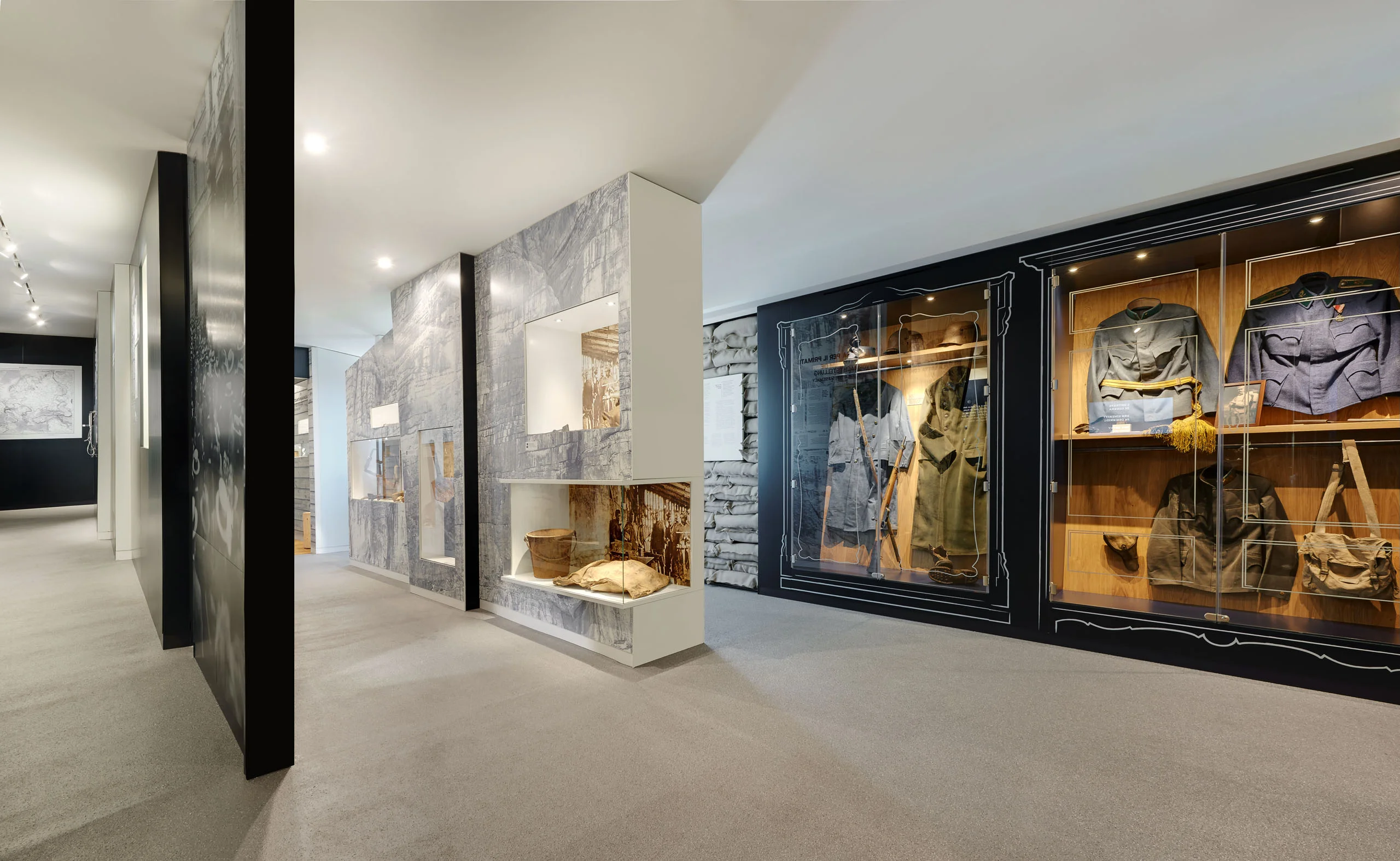
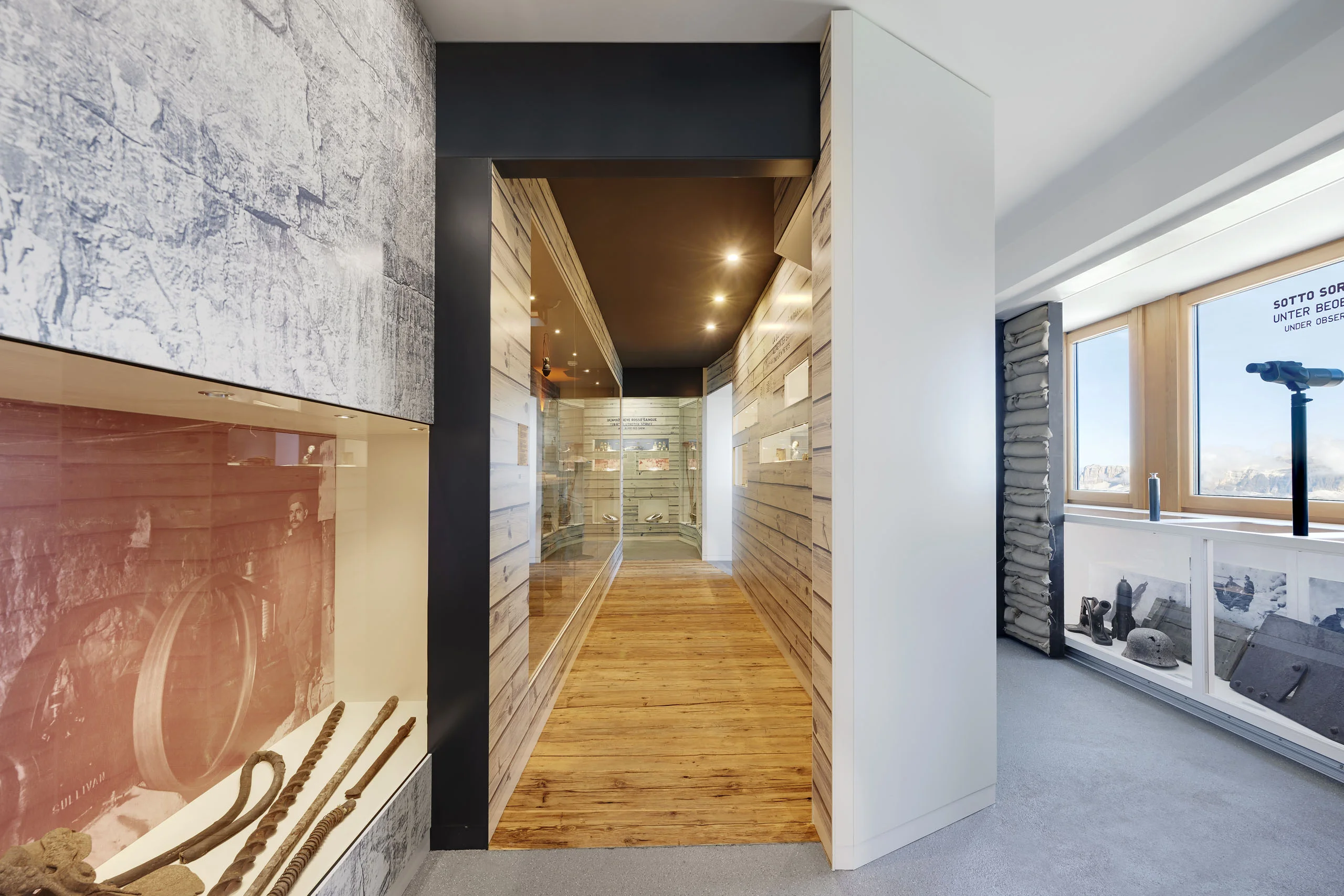
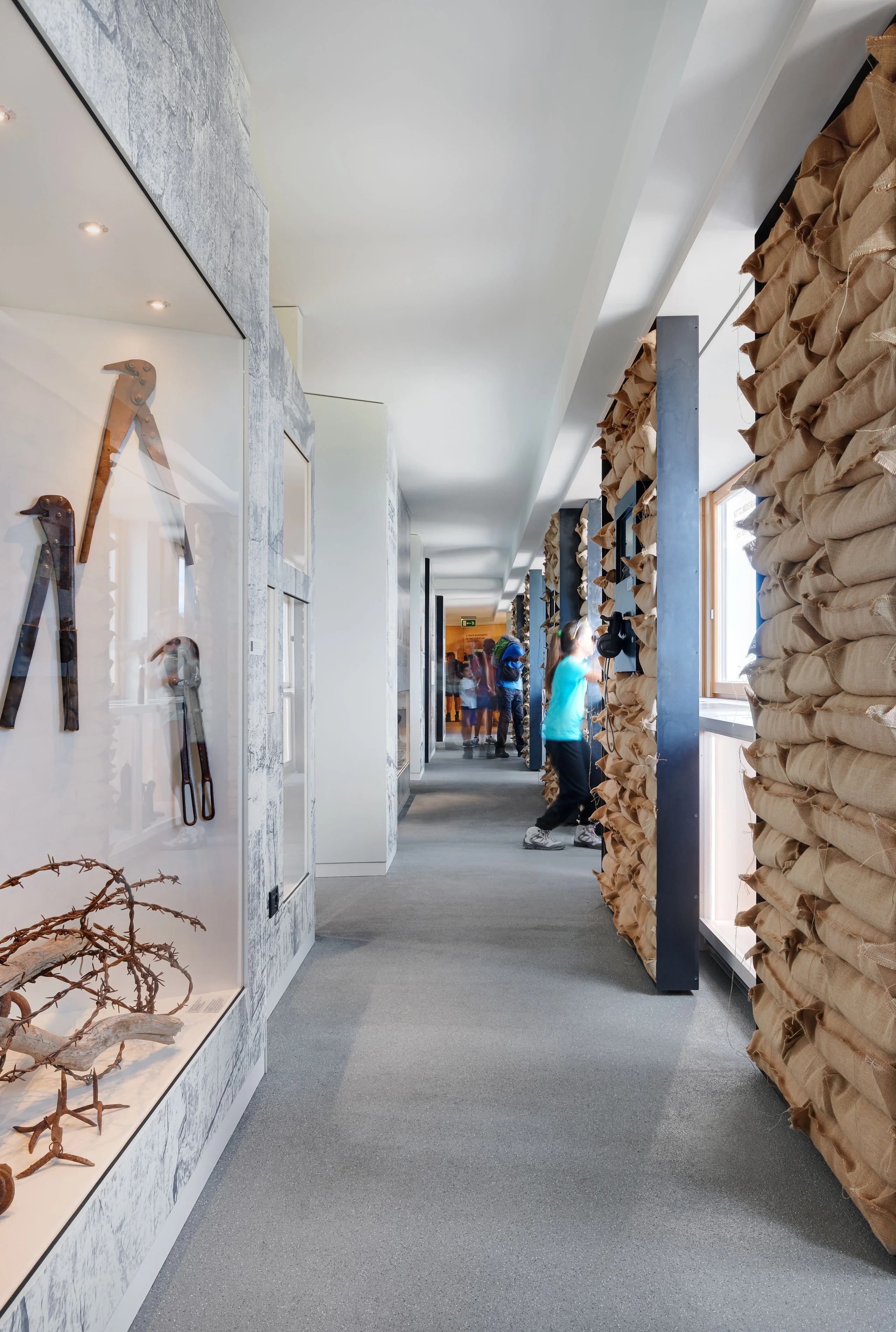
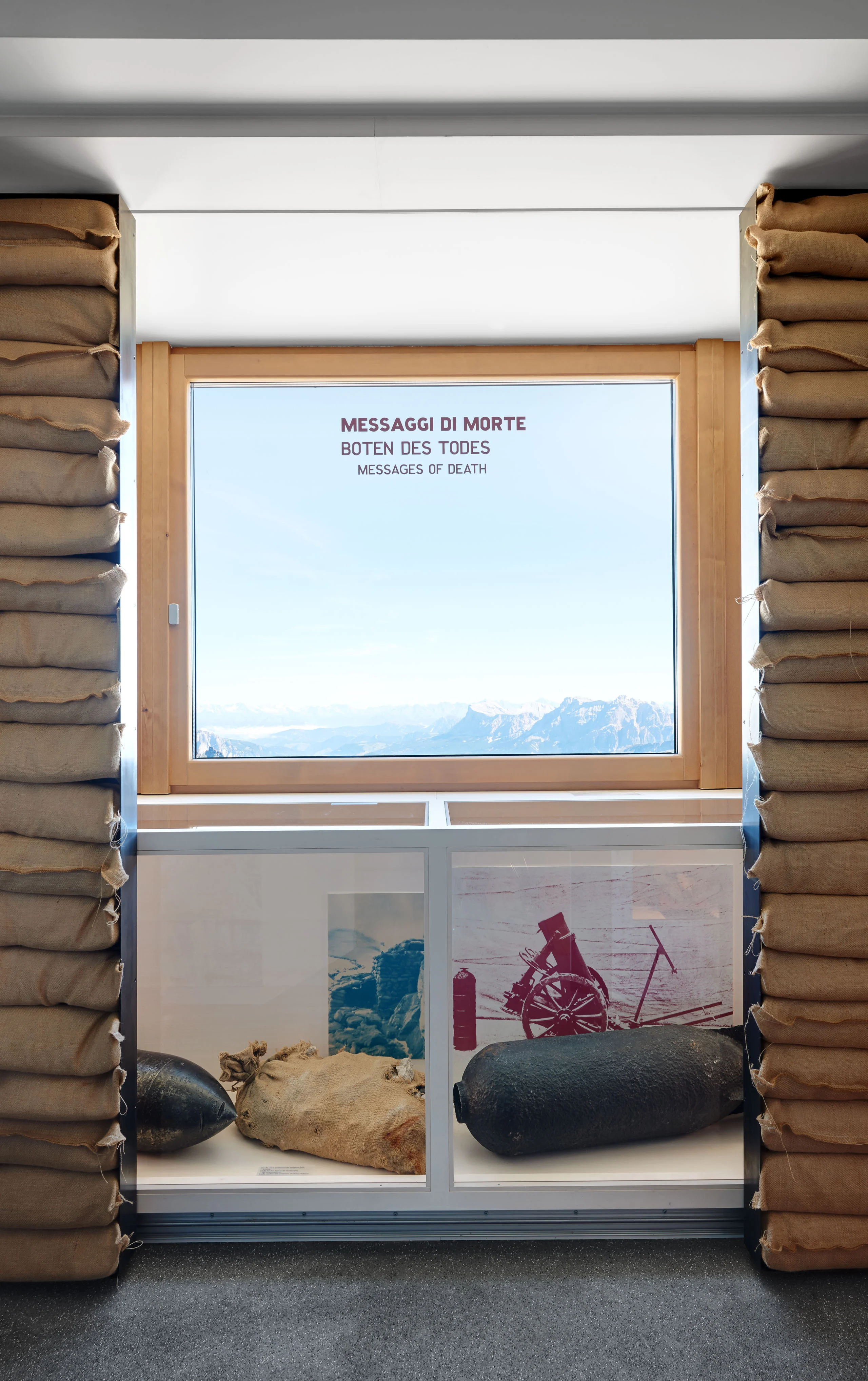
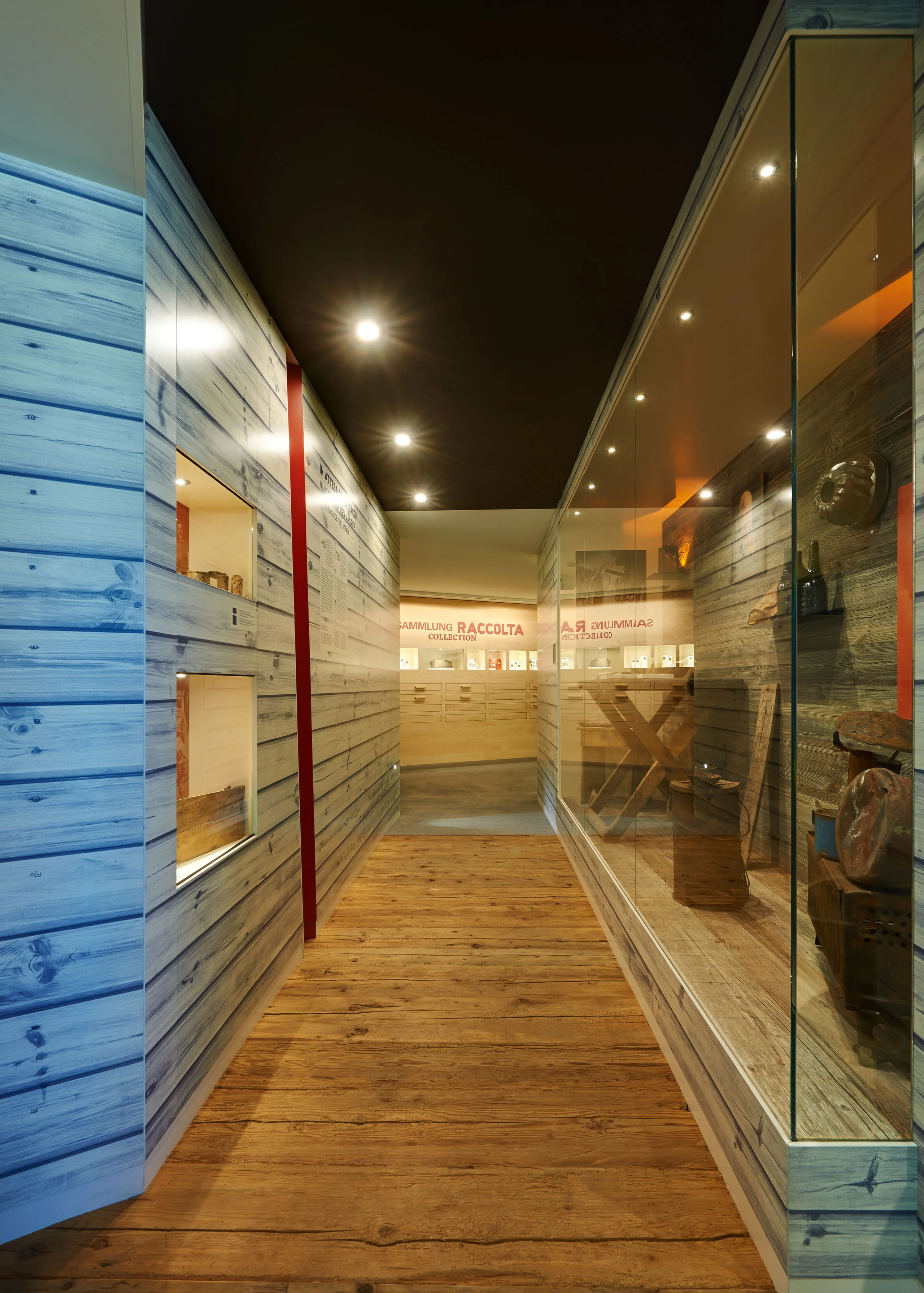
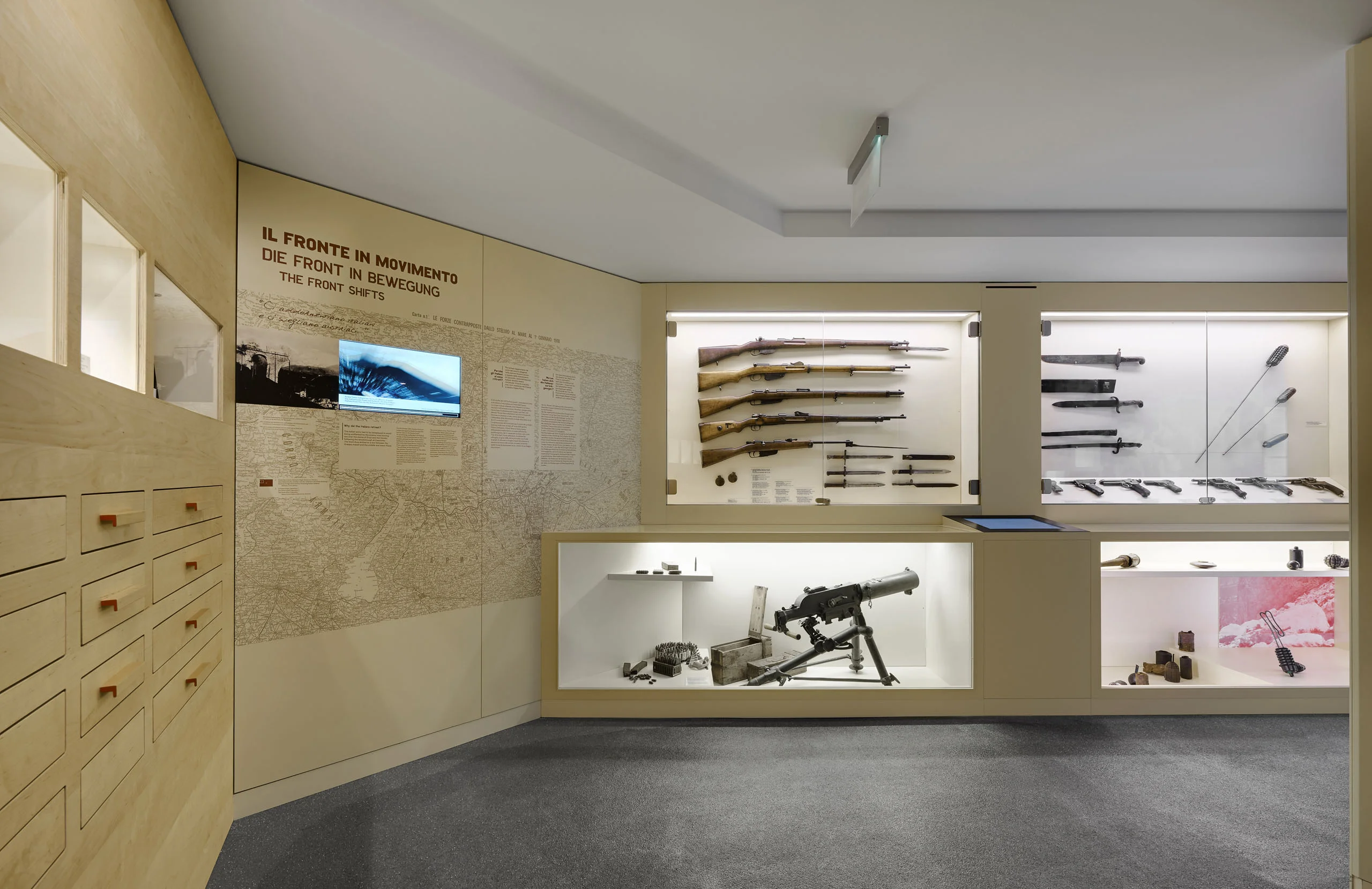
The exhibition will include a collection of memorabilia, weapons, uniforms, artefacts, documents, and much more. The museum has also been given a human aspect and aims to bring visitors closer to the atmosphere of the war, which was fought in the snow and at an altitude of 3,000m on the very spot where the museum is now located.
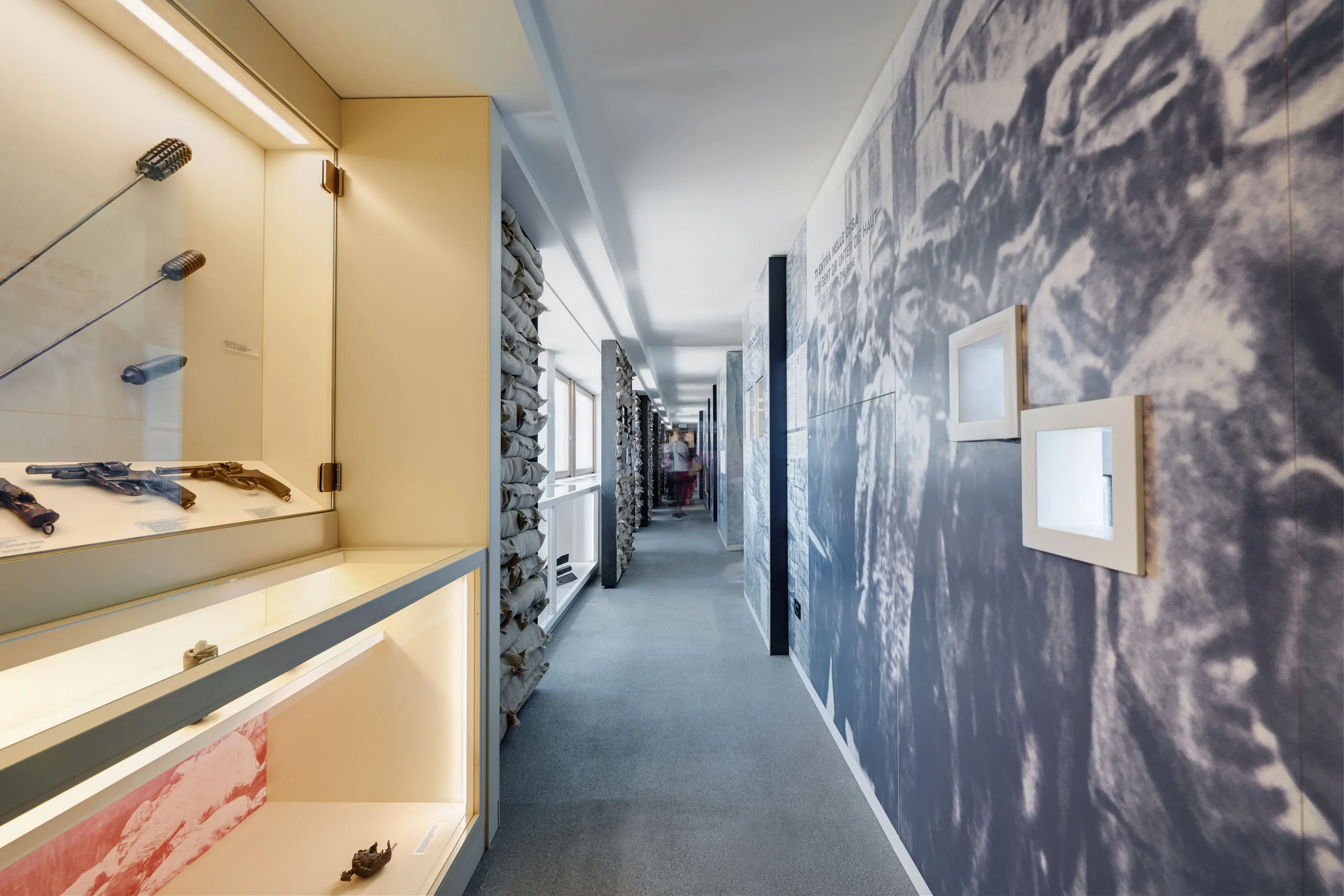
The expressive architectural concept of the museum has a great impact. The museum concept aims to convey emotions and special impressions to visitors and transport them into the everyday life of the war that was fought on the glacier.
The new concept, with themed showcases, numerous photos and multimedia content, is impressive, moving, and invites you to reflect.
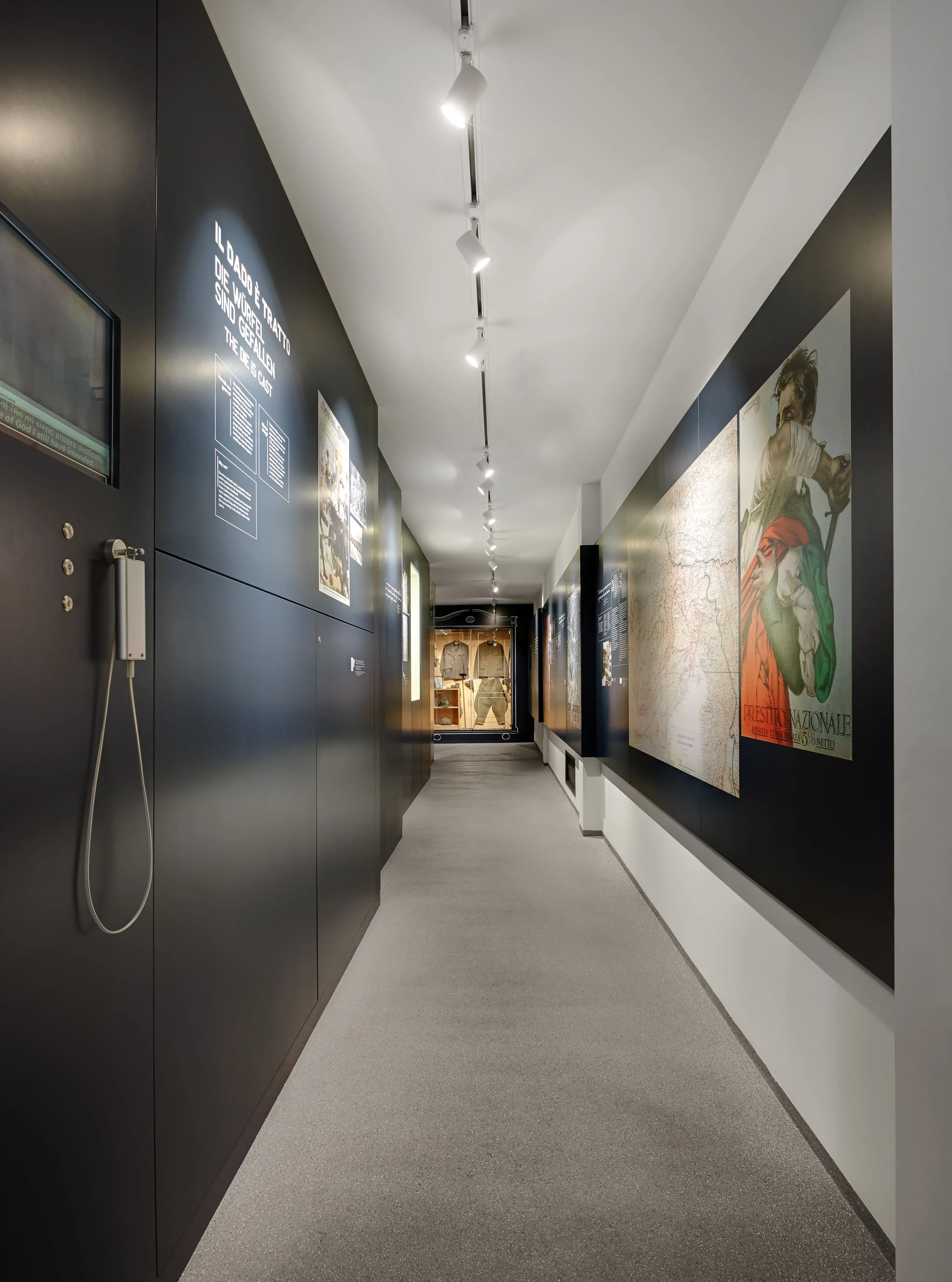
In the exhibition, the most important aspects of the war in the mountains are shown in a series of thematic groups. The visitor is led into the reality of the twentieth century.
The central theme of the exhibition are diary extracts that give an insight into the soldiers’ lives and their state of mind. These accompany the visitor, describing the human and military aspects of the First World War and evoking common and shared emotions.
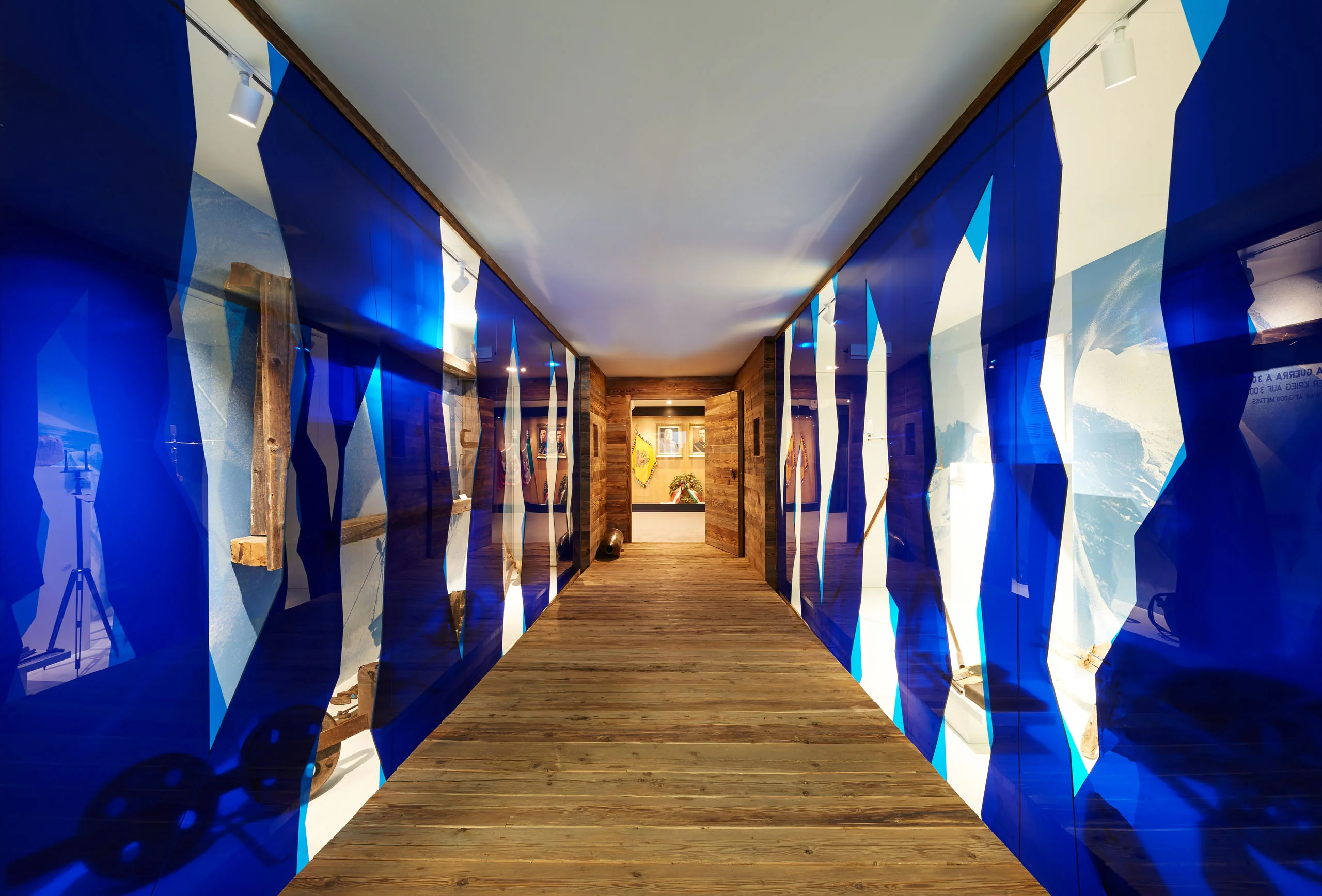
An essential part of the museum is a symbolic trench and a tunnel. In “Trenches of Death”, the emphasis is on the different realities of war, be it the wider environment of the soldiers and the weapons or the special life at the front and the fight against the forces of nature. The “Tunnel of Life”, on the other hand, depicts hard labour, life in the barracks, sanitation, and clothing.
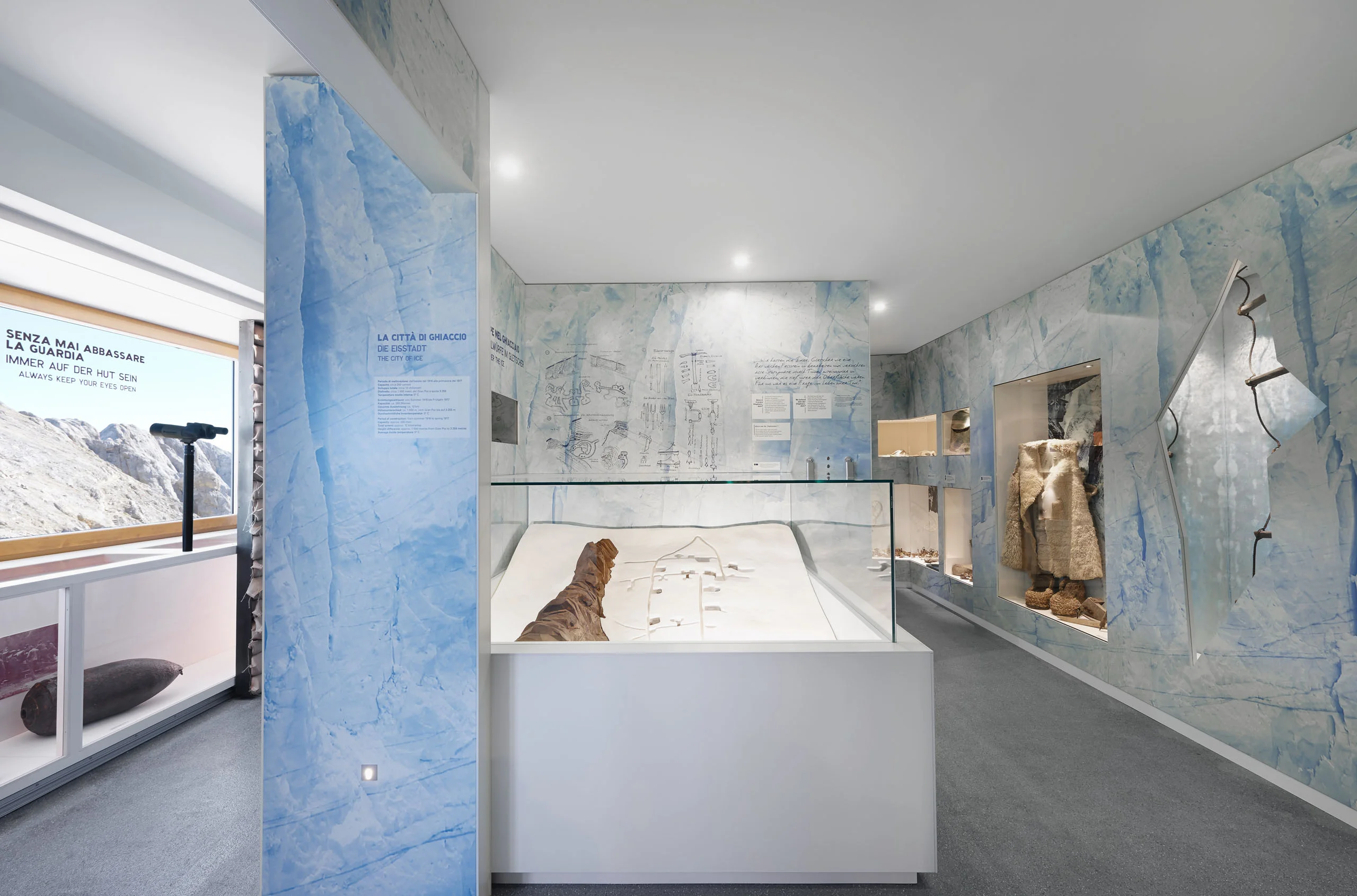
A special area is dedicated to the “Ice City”. A model, a monitor with numerous photos and a reproduction of the original sketches by Lieutenant Leo Handl characterise this section of the exhibition. This is a unique military achievement, which, after detailed technical studies, enabled the Austro-Hungarian soldiers to occupy the glacier until the day of the Italian retreat. The dense network of tunnels was a large logistical base station and offered protection from bombing as well as from avalanches and the cold.
Large windows give visitors a panoramic view of the glacier and the spectacular landscape. The most important battlefields on Mt Marmolada/Marmolata can be seen with the naked eye but also with the help of telescopes.
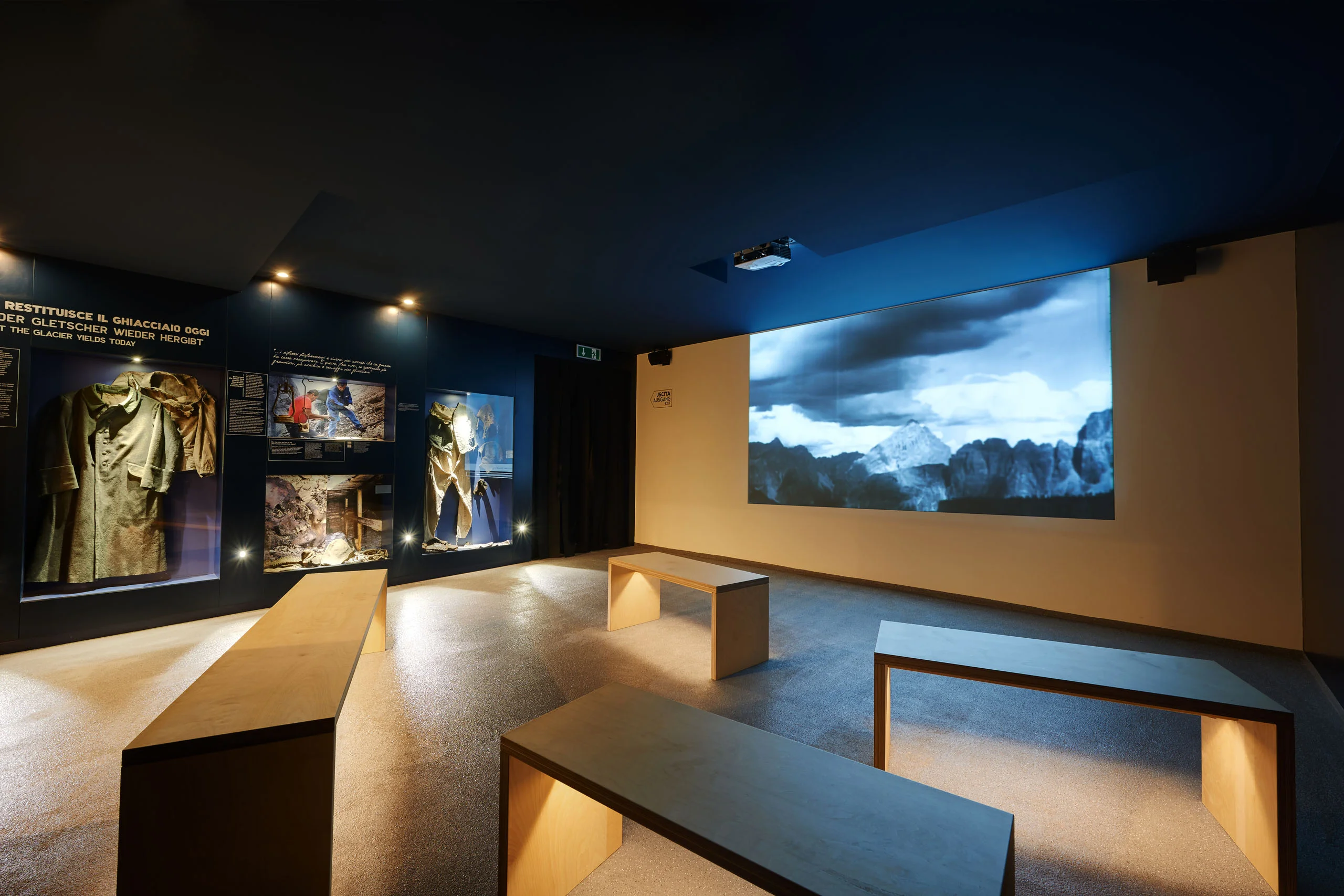
The visitor’s emotional journey ends in the video room with films about this era that help you reflect on the history of these places, which is generally little known.